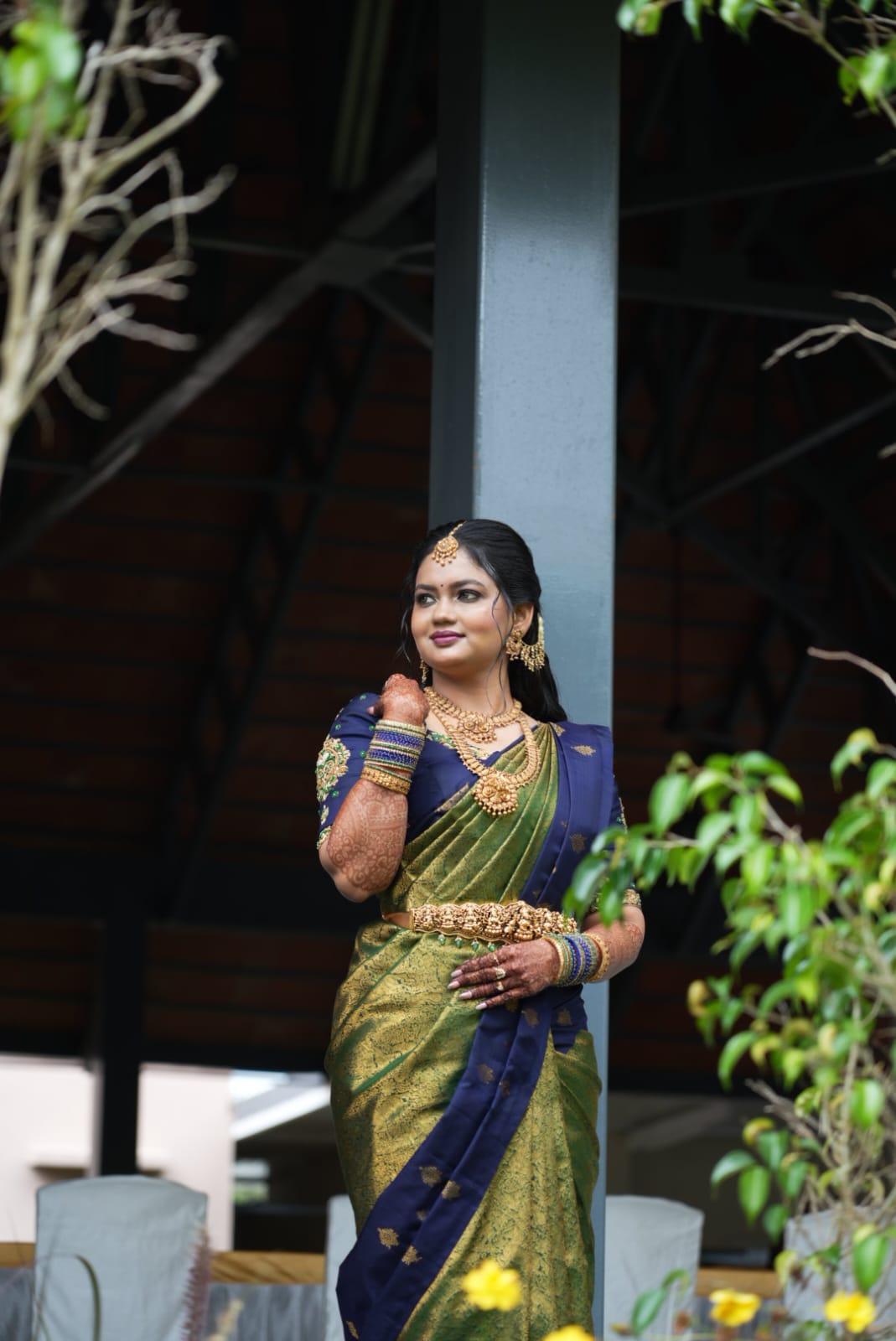
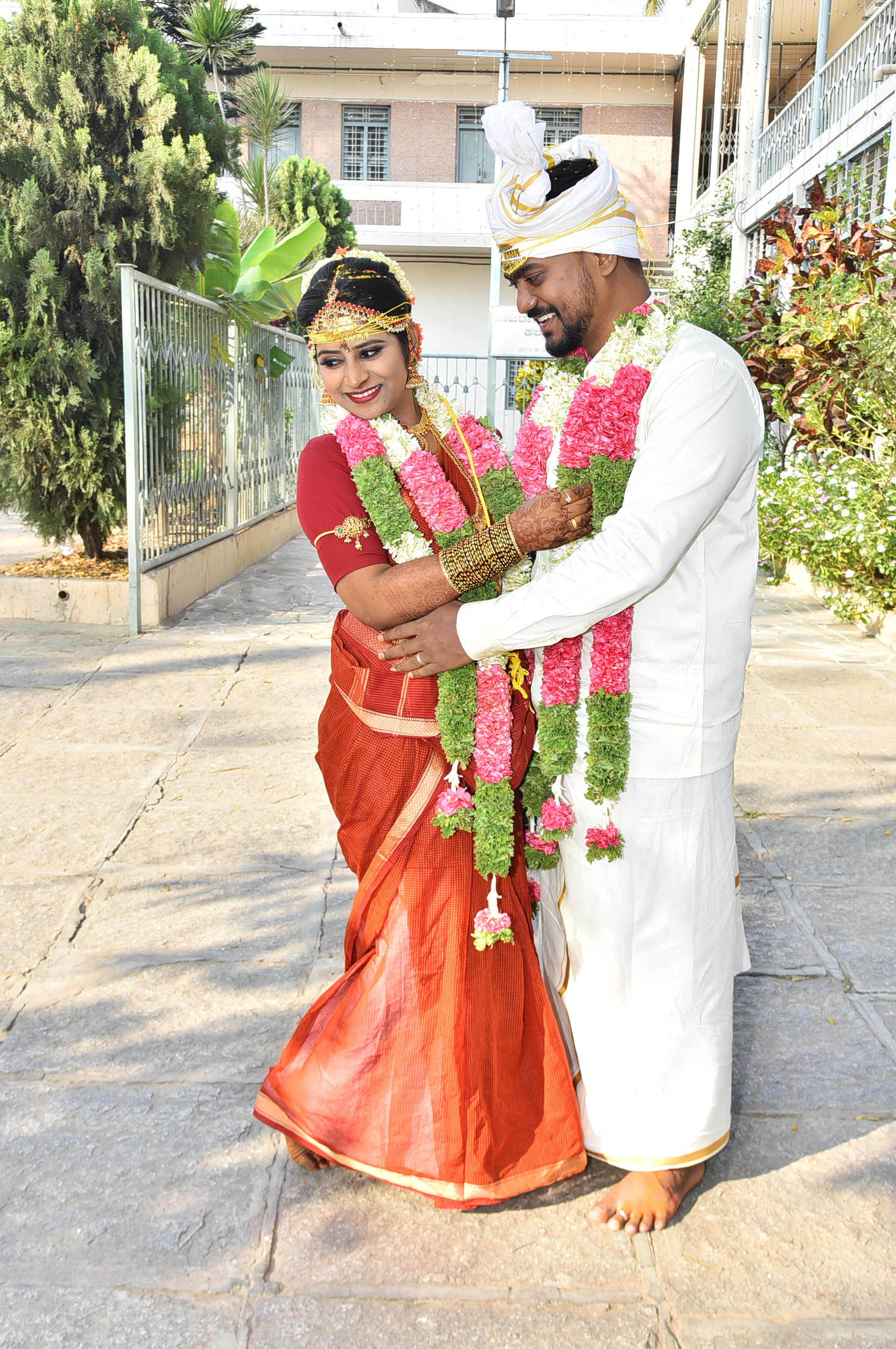
Bangalore gives you three genuinely different backdrops within a two-hour radius: formal gardens and heritage stone inside the city, granite hills and lakes just outside it, and coffee country a little further out. Below are the locations couples actually shoot at, with the practical detail that decides whether a spot works — permission, cost, travel time and the hour the light is right.
One thing worth saying first, because it costs couples the most: most of the good locations require paid permission for a professional shoot. Turning up with a photographer and a reflector at Lalbagh without a permit is the single most common way a session gets cut short. Fees change, so confirm current rates when you book rather than trusting any list, including this one.
Inside the city
These work when you want a half-day shoot without losing hours to travel.
Lalbagh Botanical Garden
The Glass House, the bandstand and the older tree avenues are the draw. Permission for commercial photography is required from the Horticulture Department and a fee applies. Go at opening — by 9am the paths are busy with walkers and the light is already hard.
Best for: classic, green, formal. Light: early morning. Permit: yes, paid.
Cubbon Park
More informal than Lalbagh, with bamboo groves, the Attara Kacheri's red façade and long tree-lined stretches. Also requires permission for professional shoots. Sundays are closed to traffic, which makes it calmer but far more crowded.
Best for: relaxed, candid, urban-green. Light: early morning. Permit: yes.
Bangalore Palace
Tudor-revival stone, arches and lawns — the most dramatic architecture in the city. Photography charges are separate from entry and are among the steepest in Bangalore, but nothing else in the city looks like it.
Best for: regal, high-contrast, editorial. Light: late afternoon. Permit: yes, premium rates.
Bangalore Fort and Tipu Sultan's Summer Palace
Teak pillars, ornate arches and far fewer couples than the palace. It's an ASI-protected site, so permission rules are stricter and tripods are often restricted — check before committing.
Best for: heritage texture, intimate frames. Light: morning.
Jayamahal Palace Hotel
A heritage property that hosts shoots as a paid booking. You're buying certainty here: controlled access, no crowd management, and staff who have done this before.
Best for: couples who want zero logistical risk. Permit: hotel booking.
Sankey Tank and Ulsoor Lake
Water, boardwalks and reflections without leaving the city. Sankey is the tidier of the two; Ulsoor has more character and more people. Both are fine for a short second location.
Best for: a 90-minute add-on. Light: golden hour.
Church Street, Brigade Road and Cubbon's edges
For couples who want the city itself in frame — signage, texture, movement. No permits for street photography, but you're negotiating pedestrians and traffic, so an early Sunday morning is the only sane slot.
Best for: modern, candid, non-traditional.
The Bangalore Palace Grounds and MG Road Metro corridors
Concrete, lines and shadow. Strong for couples who want something graphic rather than romantic.
Just outside the city (30–90 minutes)
This is where most of the memorable frames come from, provided you leave early enough to beat traffic.
Nandi Hills
The sunrise-above-the-clouds shot everyone recognises. Roughly 60km north, entry fee applies, and you need to be at the gate before dawn — both for the light and because the queue afterwards is genuinely bad. Weekends are packed.
Best for: epic, wide, cinematic. Light: sunrise only. Travel: ~1.5 hrs.
Skandagiri
A trek rather than a drive-up, which filters out the crowds. Only worth it if you're both comfortable walking in the dark in shoot outfits — many couples aren't, and that's fine.
Best for: adventurous couples. Light: sunrise.
Manchinabele Dam
Water, granite and open sky about 40km west, near Big Banyan. Far quieter than Nandi and much better for reflections.
Best for: water backdrops, calm. Light: late afternoon.
Big Banyan Tree (Dodda Alada Mara)
A single 400-year-old tree covering acres of aerial roots, ~28km west. Genuinely unlike anything else nearby. Small entry fee.
Best for: natural texture, unusual frames. Light: morning.
Ramadevara Betta and Ramanagara
The granite hills from Sholay, about 50km down the Mysore road. Bare rock, vultures overhead, enormous skies.
Best for: dramatic, minimal, rugged. Light: golden hour.
Hesaraghatta Grasslands and Lake
Open grassland roughly 30km north-west — rare around Bangalore and beautiful in low light. Access varies by season and it can be dry and dusty in summer.
Best for: wide, soft, unfussy. Light: golden hour.
Turahalli Forest
The closest genuinely wild-feeling spot, ~20km south. Rocky outcrops and scrub. Popular at sunset with cyclists, so go on a weekday.
Best for: sunset silhouettes, short travel.
Worth the overnight (2–5 hours)
Coorg (Kodagu) and Chikkamagaluru
Coffee estates, mist and hill roads. These are two-day commitments once you account for travel and light, and photographers bill travel and accommodation separately. Best between November and February.
Best for: destination-feel shoots without leaving Karnataka.
Mysuru
Mysore Palace, Brindavan Gardens and Chamundi Hill in one trip, three hours away. Palace photography permissions are strict — plan around them rather than assuming.
Getting the plan right
Cluster your locations geographically. Two spots on opposite sides of Bangalore can lose three hours to traffic, and that time comes out of your good light, not your travel budget. Two locations close together beats three scattered ones every time.
Shoot in the first or last ninety minutes of daylight. This matters more than the location itself — Lalbagh at 1pm looks worse than a nondescript park at 6pm. If you only remember one thing from this page, make it this one.
Sort permissions before the day. For Lalbagh, Cubbon, Bangalore Palace and any ASI site, that means applying in advance and carrying proof. Ask your photographer whether they handle this; some include it, many don't, and finding out on the morning is expensive.
Plan for October to February. The light is clean, humidity is low and the gardens look their best. June to September means building a rain contingency into every outdoor plan.